
Five Shifts Redefining Hospitality Brands: Why the Next Decade Will Favour Hotels That Think Beyond Rooms

For most of the past century, hospitality brands competed on familiar variables: location, service standards, and physical amenities.
But the landscape is shifting. New lifestyle concepts, wellness-led resorts, hybrid work travel and community-driven spaces are reshaping what travellers expect from hotels.
At the same time, the rapid growth of new hotel brands means traditional differentiation: larger rooms, better facilities, is no longer enough.
The brands gaining momentum today are doing something different. They are treating hospitality less as a property business and more as a brand ecosystem.
Based on our work with global hospitality groups and emerging lifestyle brands, five shifts are becoming increasingly visible.

Hotels Are Becoming Experience Platforms
The most noticeable change is that hotels are no longer designed solely for accommodation.
Increasingly, properties are designed as multi-purpose environments that support different aspects of modern travel — work, wellness, culture and social interaction.
This is particularly visible in new lifestyle concepts such as Tempo by Hilton, which was designed around travellers balancing productivity and wellbeing.
Spaces are intentionally flexible. Fitness, co-working, dining and social environments sit alongside traditional guest rooms.
The implication is clear: the hotel is no longer just where travellers sleep. It becomes a platform where different parts of life continue to happen.

Wellness Is Becoming Core, Not Complementary
Wellness was once treated as an optional amenity; a spa menu added to the property.
Today it is increasingly shaping the identity of entire hospitality brands.
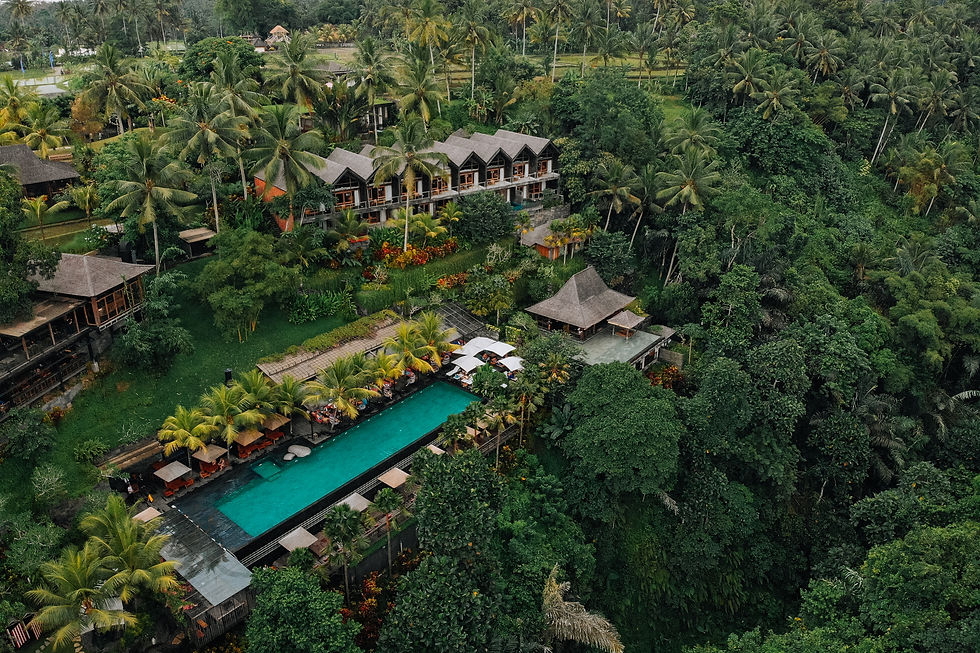
Luxury resort brands such as Banyan Tree have demonstrated that travellers increasingly value environments designed for restoration and reflection.
This influence can be seen in architecture, landscaping, spa rituals, and programming built around mindfulness, nature and personal wellbeing.
In the coming years, wellness will likely move beyond spa offerings into broader design considerations: from room layouts to programming that encourages slower, more intentional travel.

Hospitality Is Becoming Cultural
Hotels once operated as self-contained environments. Today, many brands are deliberately opening themselves to the cultural life of the destination.
Restaurants attract local diners, events feature local artists, and programming introduces guests to neighbourhood culture.
The result is a shift from hotel as infrastructure to hotel as cultural venue.
For travellers, this makes the experience feel more authentic. For brands, it helps properties feel connected to their location rather than interchangeable across markets.
This cultural integration is becoming a key differentiator in a crowded hospitality landscape.

Internal Culture Is Becoming Part of the Brand
Hospitality has always depended on people. But the scale of global hotel groups means brand consistency now relies heavily on internal alignment.
Large organisations such as Hilton increasingly invest in leadership engagement and internal storytelling to ensure employees understand the philosophy behind the brand.
When teams across markets interpret the brand consistently, guest experiences become more coherent. When they do not, even strong design and marketing cannot prevent brand dilution.
In many ways, the internal culture of a hospitality organisation is becoming just as important as its external positioning.
The Strongest Hospitality Brands Operate as Ecosystems
Taken together, these shifts point to a larger structural change.
Successful hospitality brands no longer operate as individual properties supported by marketing campaigns.
They operate as ecosystems where several elements reinforce each other:
a clear brand philosophy
distinctive spatial design
experience-led programming
cultural engagement
aligned internal culture
When these elements work together, the brand becomes more than a hotel. It becomes an environment that people want to enter, experience and return to.
In a market where new hotel brands launch every year, this coherence may become the defining advantage.
In conclusion, the hospitality industry is entering a period of rapid experimentation. New concepts are blending hotels with residences, clubs, co-working spaces and wellness retreats.
Amid this evolution, one principle is becoming clearer. Hotels that think beyond the room, and design their brands as coherent ecosystems- will be the ones that stand out.
Because in the future of hospitality, travellers will not only choose where to stay. They will choose which worlds they want to step into.


Comments